
New Caledonia Flora - photos
 |  |  |  |
 |  |  |  |
 |  |  |
About New Caledonia Flora
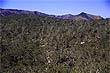
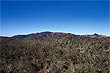
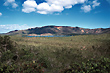
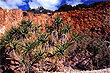
New Caledonia is one of the world's top "biodiversity hotspots" and over 76% of it's plants are endemic. Outside of the world's main continents, only the islands of Hawaii, New Zealand, and Madagascar have a higher level of plant endemism.
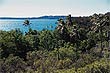
The islands are located on the fringe of the tropics and due to the islands maritime influence the weather is usually mild with spring to summer like conditions for most of the year. The flora has a lot in common with nearby Australia and Norfolk Island with regards to pines and eucalypts as well as other parts of the South Pacific with more tropical plants.
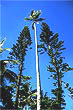
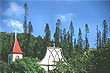
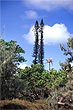
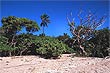
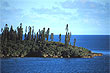
Sizeable forests are found inland but the most distinctive tree is the Araucaria Pine which can be mainly found on or near coastlines, especially on The Isle of Pines just south of Grande Terre the main island.
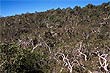
There are three main types of forests in New Caledonia. Moist evergreen forests cover just over 20% of the country. These forests contain moderately sized trees that form a dense canopy. Sclerophyllous forests are semi-decidous and also have a dense canopy. These forests are located mainly on the main island of Grande Terre. Maquis vegetation is described as low sclerophyllous and evergreen shrubs and plants and cover about 30% of the country in the main island of Grande Terre and nearby islands. There are also Sandalwood forests, mangrove swamps and savanna grasslands located on different islands.
New Caledonia has a number of nature reserves including botanical or fauna reserves.
Author & photographer: David Johnson (Virtual New Caledonia). Providing a credit or link is appreciated.
Our content: logos, site names, text, photos, and website design are protected by international copyright law.
Original versions of our photos can be purchased / licensed & web versions can be shared subject to conditions.