
New Zealand Fauna - photos
About
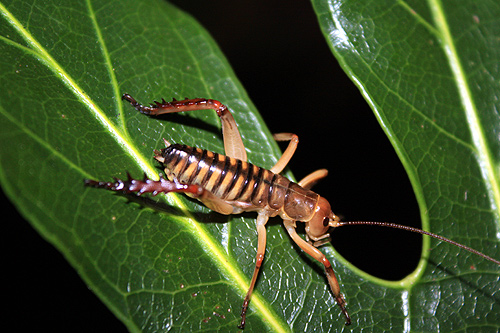
With the exception of two species of bat, no mammals in New Zealand are native. All other mammals were introduced and are considered pests due to their negative effect on flightless birds. New Zealand's fauna is also renown as safe due to the lack of snakes and with only one native poisonous spider, the Katipo. Its rare and its bite is never deadly. However, some Australian spiders have established themselves including the Australian White-tail. The most famous New Zealand native insect is the weta which is the heaviest in the world.
Read more →
New Zealand Insects
Tuatara
Kiwi
Kaka
Kea
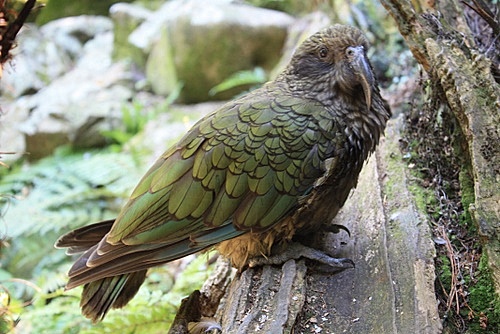
Takahe
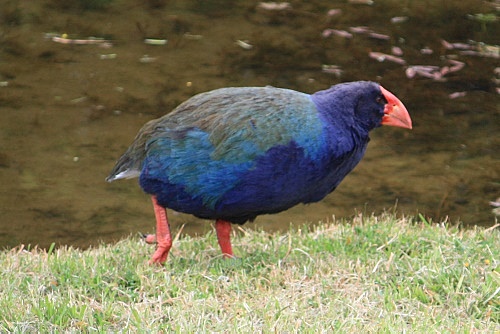
Kokako
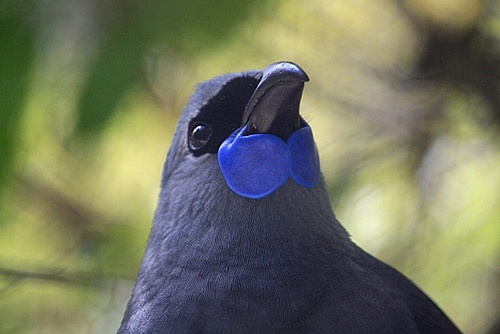
Tui
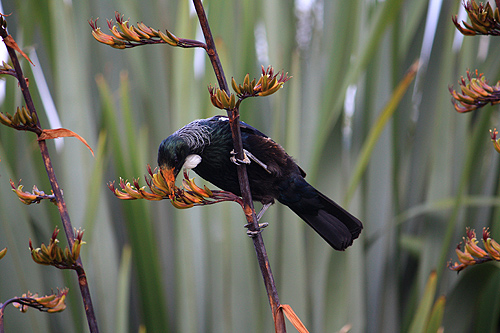
Kereru
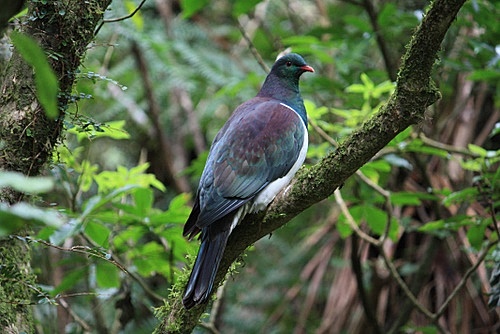
Weka
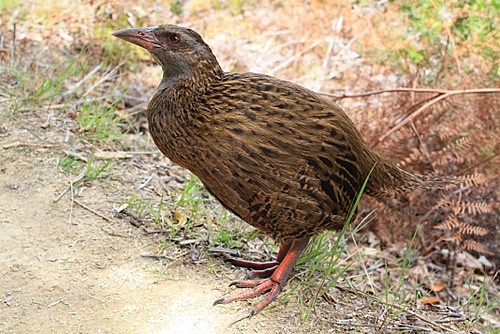
New Zealand Robin
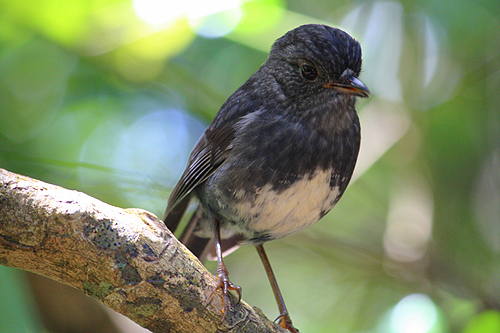
Herons
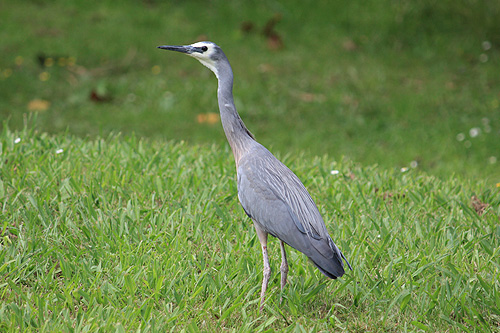
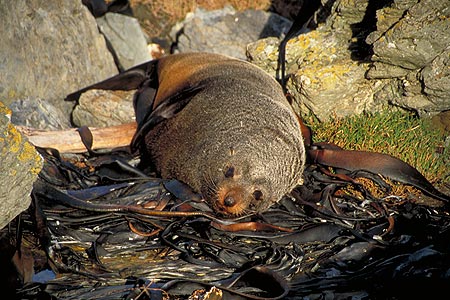
Seals
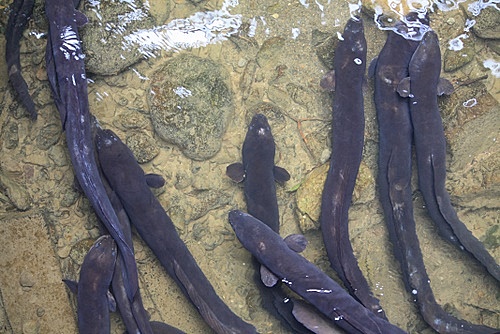
Eels
More New Zealand Animals
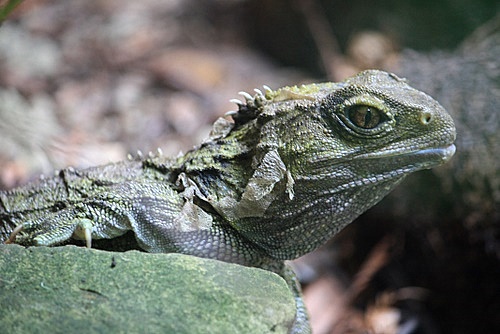
New Zealand's most unigue animal is the tuatara, which is a lizard-like reptile that is so ancient in origin that it predates the dinosaurs. It is considered a living fossil.
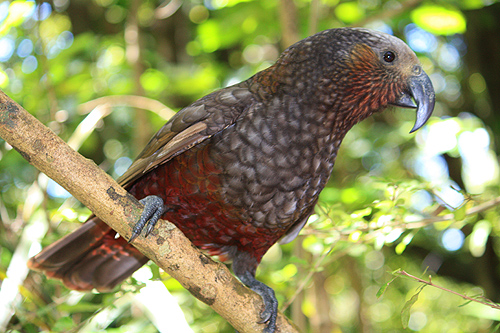
There are about 70 species of bird endemic to the country, with just over a third being flightless. The survival of flightless birds was attributed to the absence of predatory animals, but introduced species have made New Zealand a much less favourable place to live and subsequently many flightless birds are now extinct or endangered.
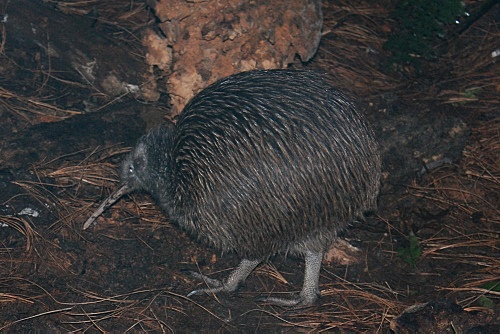
Notable New Zealand birds that still exist include the kiwi, tui, takahe, weka, bellbird, and kakapo. New Zealand is also home to many seabirds including the Albatross, which has the longest wing span of any bird in the world.
Notable extinct birds included the beautiful huia which came from a family so ancient that no relation is known to exist elswhere. The Haast's Eagle was the world's largest eagle and the most lethal aerial predator the world has ever seen. This bird fed on Moa another extinct New Zealand bird. It stood a whopping 3.6 m (12 ft) high with neck outstretched. It was the tallest bird in the world, but were hunted to extinction by the Maori about 600 years ago. In 2009, scientists performed a DNA based reconstruction of the appearance of four species of moa, including the Giant Moa.
Author & photographer: David Johnson (Virtual New Zealand). Providing a credit or link is appreciated.
Our content: logos, site names, text, photos, and website design are protected by international copyright law.
Original versions of our photos can be purchased / licensed & web versions can be shared subject to conditions.