The originals are over 100megs, 600dpi, & 7000 x 5000 pixels.
|
|
|
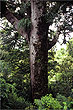
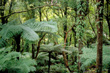
Agathis australis (Kauri) is a coniferous tree native to the subtropical northern section of the North Island of New Zealand and is the biggest but not tallest species of tree in the country, with trunk diameters that rival Sequoias. They attain heights of 40-50 meters and have smooth bark and small oval leaves. Other common names to distinguish A. australis from other members of the genus are Southern Kauri and New Zealand Kauri.
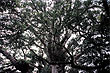
Young plants grow straight upwards and have the form of a narrow cone with branches going out along the length of the trunk. However, as they gain in height, the lowest branches are shed to prevent epiphytes from climbing. By maturity, the top branches form an imposing crown that stand out over all other native trees, dominating the heights of the forest.
Kauri leaves are 3-7 cm long and 1 cm broad, tough and leathery in texture, with no midrib; they are arranged in opposite pairs or whorls of three on the stem. The seed cones are globose, 5-7 cm diameter, and mature 18-20 months after pollination; the seed cones disintegrate at maturity to release winged seeds, which are then dispersed by the wind. While the reproduction of kauri seed cones takes place between male and female seed cones of the same tree, fertilization of the seeds occurs by pollination, which may be driven by the same or another tree's pollen.
All images can be purchased for commercial and non-commercial use.