Search New Zealand
Virtual New Zealand     Hutt River


Expedia competition to win a $6000 trip
BOOKMARK
E- M-A-I-L
Categories
Start
Photos
  • Cities
  • Mountains
  • Coastline
  • Volcanic
  • Flora
  • Fauna
  • Lakes
  • Rivers
  • Rural
  • Culture
  • License*
  • Regions
    Maps
    Facts
    News
    Travel
    Culture
    More Places
    Oceania
    Americas
    Services
    Contact
    Photo Stock
    Hot Product
     © Virtualtopia
    The images below are low-res, but you can license the originals.
    The originals are over 100megs, 600dpi, & 7000 x 5000 pixels.
    photo
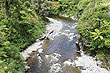
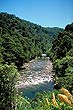
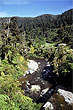
    Hutt River Gorge
    photo
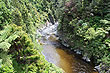
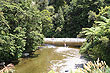
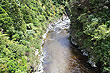
    Hutt River Gorge
    photo
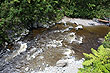
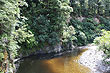
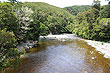
    Hutt River
    photo
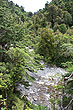
    Rivendell
    photo
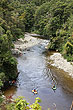
    Kaitoke
    photo
    Kaitoke
    photo
    Rivendell
    photo
    Hutt River

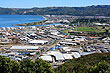
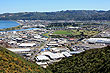
    photoThe Hutt River flows through the southern North Island of New Zealand. It flows south-west from the southern Tararua Ranges for 56 km, forming a number of fertile floodplains, including Kaitoke, central Upper Hutt and Lower Hutt.

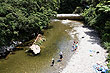
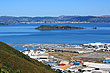
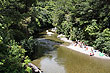
    The headwaters in the Kaitoke Regional Park are closed to preserve the quality of the drinking water drawn off at Kaitoke to supply the greater Wellington area. Below Kaitoke is the Kaitoke gorge, a popular destination for Rafting. Below the gorge is Te Marua, where the Mangaroa River joins the Hutt from the east. Further down, just above of the Upper Hutt floodplain, the Akatarawa River joins the Hutt from the west. The Upper Hutt floodplain contains the greater potion of Upper Hutt city. At this point the river starts to flow along a virtually straight geologic fault. At the lower end of the Upper Hutt floodplain is Taita Gorge, which separates Upper Hutt from Lower Hutt, this gorge is significantly shorter and less constricting than Kaitoke gorge. The river's outflow, at Petone, is into Wellington harbour. The geological fault which the river previously followed continues as a steep bluff at the edge of the Wellington Harbour.

    For most of its length, the Hutt is a shallow and sometimes braided river in a wide rocky bed, but in the Kaitoke gorge the river flows directly over bedrock and approaching the mouth at Petone the river is narrower and the banks steeper. The larger populated areas in Upper Hutt and Lower Hutt are protected from flooding by stopbanks and introduced willow trees, as is common in New Zealand. The regular flooding of Lower Hutt resulted in high fertility land and prior to the building of state housing by the Labour Government starting in 1937, there were many market gardens in Lower Hutt.

    The Hutt has moved significantly since European settlement, due to a major earthquake. The pre-earthquake river emptied into the Pauatahanui Inlet (an arm of Porirua Harbour on the west coast). Pauatahanui Inlet is now slowly silting up.

    State highway two follows the course of the river for most of its length, with the exception of the Kaitoke gorge and the head waters, before crossing the Rimutaka Ranges into the Wairarapa.


    Images are under copyright ©. It is illegal to copy or use the images without permission.
    All images can be purchased for commercial and non-commercial use.